May your week be filled with comfort, good energy, and cool days ahead!
FAQ
Your HVAC Questions, Answered
Pull up a chair! Here are the questions we hear most, pinned up with quick, friendly answers.
How often should I change my air filter?
Check it monthly and replace it about every 1–3 months. A clean filter lets air flow freely, helps your system run more efficiently, and keeps the air in your home cleaner. Replace it more often if you have pets, allergies, or run your system heavily.
What temperature should I set my thermostat to?
In summer, around 78°F is a comfortable and efficient setting when you’re home; in winter, around 68°F. Raise or lower it a few degrees while you’re away instead of switching the system off, and avoid frequent big changes, which make your system work harder. A programmable or smart thermostat can do this for you automatically.
Does it matter if my vents or outdoor unit are blocked?
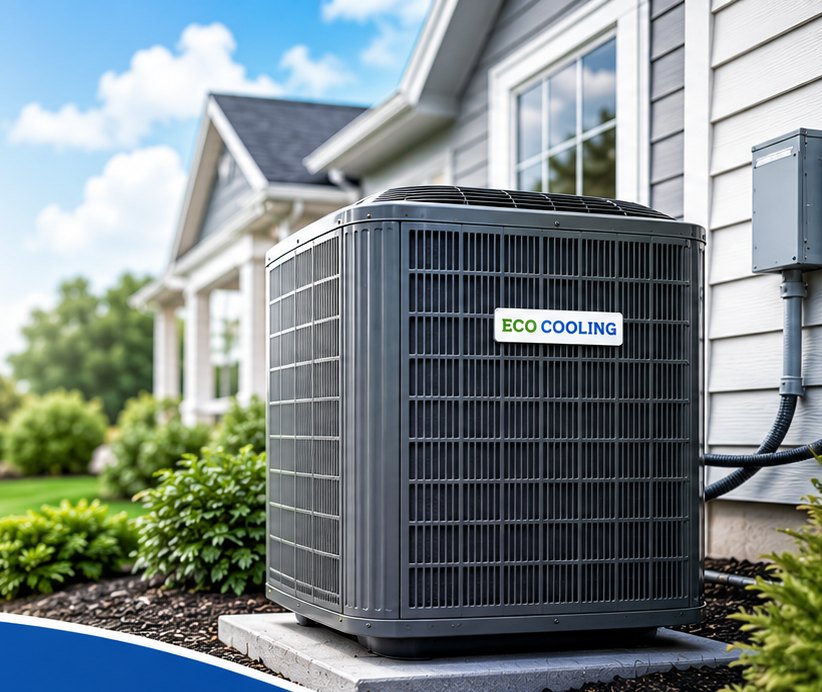
Yes. Keep supply and return vents clear of furniture, rugs, and curtains so air can circulate evenly through every room. Outside, leave at least two feet of open space around the outdoor unit and clear away leaves, grass clippings, and debris so it can release heat properly.
How can I keep my home cooler without running the AC harder?
Close blinds or curtains on sun-facing windows during the hottest part of the day, and use ceiling fans (set to turn counterclockwise in summer) to move the air. Fans cool people, not rooms, so turn them off when you leave. Running heat-producing appliances like the oven or dryer in the evening also takes pressure off your system.
How often should my HVAC system be serviced?
We recommend a professional tune-up twice a year — your AC in spring and your heating in fall. Regular maintenance catches small problems early, helps prevent breakdowns, and keeps your system efficient. Call us if you notice weak airflow, strange noises, uneven temperatures, or rising energy bills.
Should I set my thermostat fan to AUTO or ON?
In Louisiana’s humid climate, AUTO is usually the better choice. With the fan set to ON, it keeps blowing after the cooling cycle ends and can push moisture that has dripped off the cold coil back into your home, leaving the air feeling clammy and using more energy. AUTO runs the fan only while the system is heating or cooling, so that moisture drains away instead.
Should I close the vents in rooms I’m not using?
It’s best not to. Your system is designed to move a set amount of air through the whole house, so closing vents doesn’t reduce its workload — it just raises pressure in the ducts, which can strain the blower, increase leaks, and leave other rooms uncomfortable. If a room is too hot or too cold, call us instead; uneven airflow is often a sign of a duct or airflow issue we can help with.
What should I do if ice forms on my air conditioner?
Switch the thermostat from COOL to OFF, then set the fan to ON so air passing over the coil can melt the ice — this can take a few hours, or longer if it’s heavily frozen. Don’t chip at the ice, and don’t keep running the AC while it’s frozen, since that can damage the compressor. Check that your air filter is clean and your vents are open. If it freezes again, call us — low refrigerant or an airflow problem is likely.
How do I protect my HVAC system during a storm or power outage?
Before a storm, clear loose debris from around the outdoor unit and, if the power may go out, turn the system off at the thermostat and — if you can reach it safely — at the breaker, so it isn’t hit by a surge when power returns. After an outage, wait at least five minutes before turning it back on to protect the compressor. Never run a system that has been in floodwater: keep it off and have a licensed technician inspect it first. A whole-home surge protector is also worth asking us about.
How do I know whether to repair or replace my AC?
Age is the best starting point. ENERGY STAR suggests considering a replacement once an air conditioner or heat pump is more than 10 years old — especially if it needs frequent repairs, your energy bills keep rising, some rooms are too hot or too cold, or the system is noisy. For a newer system, a repair usually makes sense. We’re happy to inspect yours and give you an honest recommendation.